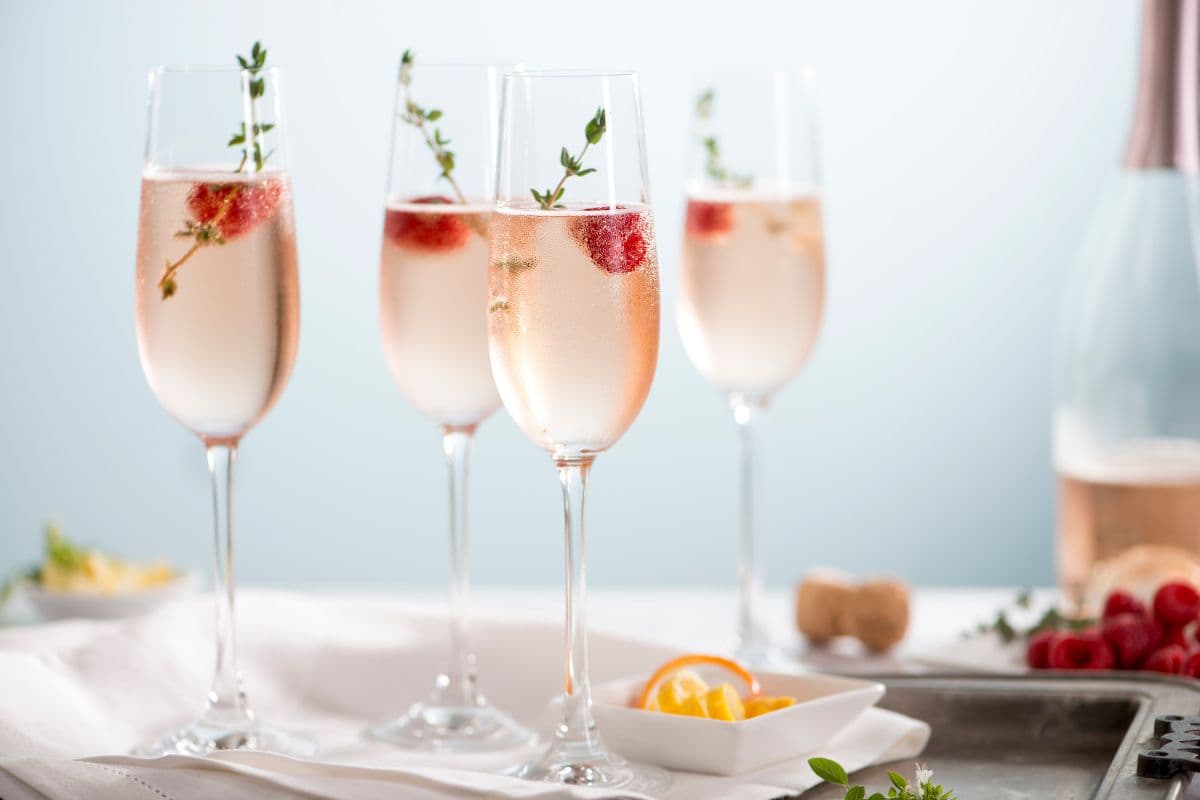
What Mixes Best with Champagne? Ultimate Cocktail Guide
A bottle of bubbly often signals a grand celebration – New Year's Eve, anniversaries, or special toasts. Yet, limiting this effervescent delight to monumental moments misses a trick. Sparkling wine, be it Champagne, Prosecco, or Cava, possesses an innate versatility that transforms an ordinary day into something truly special. The secret? The incredible world of
champagne cocktails. These sparkling concoctions are not just for holidays; they’re an accessible way to infuse elegance and excitement into everyday gatherings, from a casual book club to a sophisticated dinner party. If you've ever wondered how to unlock the full potential of your favorite fizz, you're in the right place. This guide will explore the best ingredients to pair with champagne, elevating your mixology game and ensuring every sip is a celebration.
The Allure of the Champagne Cocktail: Why Mix Bubbly?
What exactly makes champagne such a perfect mixing partner? It’s a combination of its inherent characteristics: the crisp, vibrant bubbles, the elegant aroma, and its bright, often acidic, flavor profile. These elements provide an ideal canvas for a variety of additions, transforming a simple glass of sparkling wine into a complex and captivating drink.
A
champagne cocktail is essentially any drink that combines champagne (or other sparkling wine) with additional ingredients like fruit juice, bitters, liqueurs, or spirits. This simple definition opens up a universe of possibilities, allowing you to tailor drinks to any palate or occasion. Think of the zesty refreshment of a French 75, perfect for a summer afternoon, or the sweet, fruity embrace of a Bellini, an essential for any brunch gathering. From light and airy spritzes to more spirited concoctions, sparkling drinks offer an instant uplift, making even a casual evening feel like a special event.
Before diving into specific recipes, remember that the foundation is key. While you might save your most expensive vintage Champagne for solo sipping, a good quality Prosecco, Cava, or a non-vintage Brut Champagne provides an excellent, cost-effective base for mixing. Look for a sparkling wine that offers a balanced acidity and a clean finish to let your added flavors shine.
Essential Ingredients: What Pairs Perfectly with Champagne?
The beauty of the
champagne cocktail lies in its flexibility. A wide array of ingredients complement champagne beautifully, each adding its own unique dimension. Understanding these pairings is the first step to becoming a home mixologist.
*
Citrus Juices: Unsurprisingly, citrus is a star player. Lemon juice, orange juice, and grapefruit juice bring a delightful tang and brightness that cuts through the richness of some sparkling wines and adds a refreshing zing. The acidity also balances sweetness and enhances the crispness of the bubbles. Think lemon for a classic French 75, or orange for the ubiquitous Mimosa.
*
Berries and Berry Purees: Raspberries, cranberries, strawberries, and blackberries offer both vibrant color and a burst of fruity sweetness or tartness. Muddled berries, berry liqueurs, or even a simple splash of berry juice can transform a drink. A raspberry sorbet spritz, for instance, provides a delightful dessert-like experience. Cranberry juice adds a festive tartness, especially during the holidays.
*
Stone Fruit Purees: Peach puree is perhaps the most famous example, thanks to the iconic Bellini. The smooth, sweet, and slightly creamy texture of peach puree blends seamlessly with champagne, creating a soft and luxurious drink. Apricot or nectarine purees can offer similar results.
*
Liqueurs: Liqueurs introduce complexity, sweetness, and specific flavor profiles.
*
Elderflower Liqueur: Offers delicate floral notes that pair exquisitely with champagne, adding an elegant and aromatic lift.
*
Aperol/Campari: For those who appreciate a bitter-sweet edge, these Italian aperitifs add depth and a vibrant hue, creating a sophisticated spritz.
*
Fruit Liqueurs: Crème de cassis (blackcurrant) for a Kir Royale, or other fruit brandies, can introduce concentrated fruit flavor.
*
Spirits: While champagne often stands alone, a careful addition of spirits can build structure and warmth.
*
Gin: Its botanical notes in a French 75 add an herbaceous layer that is surprisingly refreshing.
*
Brandy/Cognac: Used in the traditional Classic Champagne Cocktail, brandy adds a warming, sophisticated depth that complements the sparkling wine beautifully.
*
Vodka: A neutral spirit, vodka allows other flavors (like fruit or liqueurs) to shine through, while adding an alcoholic kick.
*
Bitters: A few dashes of aromatic bitters, most famously Angostura, can tie a cocktail together. They add a layer of spice and complexity, balancing sweetness and enhancing other flavors without dominating them. The theatrical dissolving of a sugar cube saturated with bitters in the Classic Champagne Cocktail is a spectacle in itself.
*
Sweeteners: Simple syrup is an easy way to control sweetness without diluting the drink, while a sugar cube provides a touch of tradition and visual appeal.
Iconic Champagne Cocktails to Master at Home
Ready to get mixing? Here are some of the most beloved and easy-to-make
champagne cocktails that instantly elevate any gathering.
The Classic Champagne Cocktail
This iconic drink is the progenitor of all other champagne cocktails, a true testament to timeless elegance. It’s simple, visually stunning, and delivers a lightly sweet and aromatic experience.
*
Taste Profile: Golden, bubbly, lightly sweet, aromatic with a hint of citrus.
*
Ingredients:
* 1 sugar cube
* 2 dashes Angostura bitters
* Chilled Champagne (Brut or Extra Dry works well)
* Lemon peel, for garnish
*
How to Make It: Place the sugar cube into a champagne flute. Add two dashes of Angostura bitters directly onto the cube, ensuring it’s well-saturated. Slowly pour chilled champagne over the cube. As the sugar dissolves, it creates a beautiful "fountain" of bubbles, enchanting your guests. Garnish with a twisted lemon peel. For more in-depth tips and variations on this timeless drink, explore our guide to
Master the Classic Champagne Cocktail: Easy Recipes & Tips.
French 75 Champagne Cocktail
Named after a French 75mm field gun due to its perceived kick, this cocktail is bright, zesty, and incredibly refreshing.
*
Taste Profile: Citrusy, crisp, refreshing, and lightly bubbly with herbal notes from the gin.
*
Ingredients:
* 1 oz gin
* ½ oz fresh lemon juice
* ½ oz simple syrup
* Chilled Champagne
*
How to Make It: Combine gin, lemon juice, and simple syrup in a cocktail shaker with ice. Shake well until thoroughly chilled. Strain the mixture into a champagne flute and top gently with chilled champagne. Garnish with a lemon twist or a cherry.
Bellini Champagne Cocktail
An Italian classic, the Bellini is synonymous with brunch and sunny afternoons. It’s sweet, fruity, and delightfully smooth.
*
Taste Profile: Sweet, peachy, and refreshingly effervescent.
*
Ingredients:
* 2 oz fresh peach puree (from ripe peaches, strained)
* Chilled Prosecco or Champagne
*
How to Make It: Add the peach puree to a champagne flute. Slowly top with chilled sparkling wine, stirring very gently to combine without losing too much fizz. A simple peach slice or raspberry makes a lovely garnish.
Pomegranate Sparkler
For a vibrant, fruit-forward option, a Pomegranate Sparkler offers both stunning color and a delightful tart-sweet profile.
*
Taste Profile: Tart, sweet, fruity, and incredibly refreshing.
*
Ingredients:
* 2 oz pomegranate juice (100% juice, not from concentrate)
* ½ oz orange liqueur (like Cointreau or Triple Sec)
* Chilled Prosecco or Champagne
* Pomegranate arils and an orange peel, for garnish
*
How to Make It: Pour pomegranate juice and orange liqueur into a champagne flute. Top with chilled sparkling wine. Stir gently. Garnish with a sprinkle of pomegranate arils and an orange peel twist.
Tips for Elevating Your Champagne Cocktail Game
Beyond the recipes, a few insider tips can transform your homemade
champagne cocktails from good to unforgettable.
*
Choose Your Bubbly Wisely: While true Champagne is excellent, don't feel pressured to use it for every cocktail. Prosecco offers a fruitier, softer profile, often at a more accessible price point, making it fantastic for Bellinis or mimosas. Cava, with its drier, often toastier notes, stands up well in more complex drinks like the French 75.
*
Chill Everything: Cold ingredients are paramount for sparkling drinks. Ensure your sparkling wine, juices, and spirits are well-chilled before mixing. This helps maintain the effervescence and results in a crisper, more enjoyable drink.
*
Gentle is Key: When adding sparkling wine, pour it slowly and avoid aggressive stirring. Over-stirring will cause the bubbles to dissipate rapidly, leading to a flat cocktail. A gentle tilt of the glass and a slow pour preserves the fizz.
*
Garnish with Flair: Presentation truly matters. A vibrant lemon twist, a sprig of fresh mint, or a few colorful berries can elevate the visual appeal of your drink significantly. Consider edible flowers for an extra touch of sophistication.
*
Glassware: While champagne flutes are traditional for preserving bubbles, coupes offer a touch of retro glamour and are excellent for showcasing garnishes. Choose what suits your aesthetic and the cocktail.
Conclusion
Champagne cocktails are far more than just holiday drinks; they are a gateway to transforming ordinary moments into extraordinary ones. With a simple array of juices, liqueurs, spirits, and bitters, you can craft an endless variety of sparkling concoctions to suit any taste, time of day, or occasion. Whether you're clinking glasses for a grand celebration or simply indulging in a little self-care on a Tuesday evening, mastering these bubbly creations will add elegance, refreshment, and a touch of magic to your life. So go ahead, experiment, innovate, and make any occasion just a little bit bubblier. Cheers to discovering your new favorite
champagne cocktail!